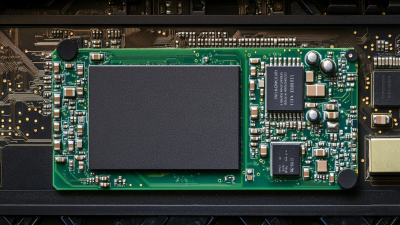
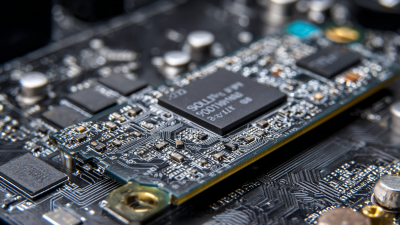
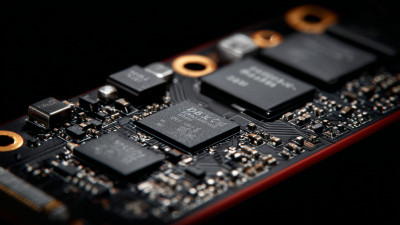
You know, the idea of a Solid State Drive (SSD) really changed the game when it comes to storing and accessing data. It's pretty impressive how much faster and more efficient they are compared to the old-school Hard Drives. Unlike traditional drives that rely on spinning disks, SSDs have a different setup under the hood—that’s what makes their data transfer speeds so much snappier and latency a lot lower. I remember reading somewhere, like a report by IDC, that SSDs can hit read speeds over 500 MB/s, and their write speeds are often double that! That kind of speed boost is a big deal, especially as businesses rely more and more on data-heavy applications these days.
For companies trying to get the most out of their tech setup, the advantages of switching to SSDs are pretty clear. A Gartner study even suggests that putting SSDs into enterprise environments can boost application performance by as much as 300%. That kind of improvement really makes a difference when it comes to productivity and efficiency. All in all, it's super important for businesses to understand how to integrate these drives into their existing systems, especially if they want to keep up in this fast-moving digital world. Honestly, embracing SSDs seems like almost a necessity these days if you want to stay competitive out there.

What is a Steady State Drive?
A Steady State Drive (SSD) refers to a type of data storage device that retains information in a permanent state, contrasting with traditional hard disk drives (HDD) that rely on moving parts. The concept of steady state implies that the drive maintains a consistent performance level over time, particularly when handling read and write operations. This reliability stems from solid-state technology, which uses flash memory to store data, resulting in no mechanical delay and a significantly reduced risk of mechanical failure.
The impact of using a Steady State Drive on overall performance can be profound. Unlike HDDs, which may suffer from fragmentation and access time delays due to their mechanical nature, SSDs offer rapid data retrieval and writing speeds. This leads to faster boot times for operating systems, quicker file transfers, and an overall more responsive user experience. In many applications, from everyday tasks to complex data processing and gaming, the predictable nature of SSD performance plays a crucial role in enhancing productivity and efficiency. The steady state operation not only improves performance but also contributes to longer device lifespan by minimizing wear on components that are sensitive to repeated movements.
Performance Comparison of Steady State Drive vs Traditional Drive
This chart illustrates the performance differences between a Steady State Drive and a Traditional Drive in terms of read speed, write speed, and random access time. The data shows that Steady State Drives significantly outperform Traditional Drives in all metrics, highlighting their efficiency and faster performance.
The Technical Overview of Steady State Drives
A Steady State Drive (SSD) is a type of storage device that operates with no moving parts, allowing it to deliver consistently high performance. Unlike traditional hard drives that rely on rotating disks to read and write data, SSDs use flash memory to access information almost instantaneously. This results in faster boot times, quicker file transfers, and enhanced overall system responsiveness. The technical advantage of SSDs lies in their ability to handle multiple read and write operations simultaneously, making them ideal for high-performance computing environments where speed is critical.
When considering the implementation of a steady state drive, it’s essential to remember that their performance can significantly impact system efficiency. For optimal results, ensure that the SSD firmware is updated regularly and that the drive has adequate free space. This helps maintain its speed and prolongs the lifespan of the drive.
Tips for users include regularly backing up data, as SSDs, while more reliable than traditional drives, can fail. Additionally, consider adjusting your operating system settings to maximize SSD performance, such as enabling TRIM, which ensures the drive operates efficiently by managing unused data blocks. Taking these steps can help you fully leverage the benefits of a steady state drive in your computing tasks.
Key Features of Steady State Drives
Steady State Drives (SSDs) represent a significant advancement in storage technology, boasting key features that enhance performance and reliability. One of the defining characteristics of SSDs is their ability to provide consistent read and write speeds. According to a report from the Storage Networking Industry Association, SSDs can achieve read speeds upwards of 500 MB/s and write speeds of about 450 MB/s. This performance remains stable regardless of the amount of data being processed, significantly surpassing the performance of traditional hard drives (HDDs) which often suffer from latency and speed drops due to mechanical components.
Another critical feature of SSDs is their durability and reduced power consumption. SSDs are built with flash memory, which means they are less susceptible to physical shocks compared to HDDs that rely on spinning disks and moving parts. Industry data indicates that SSDs can have a lifespan of over 5 years with a minimal failure rate, which is especially beneficial for data-intensive applications in enterprise environments. Additionally, SSDs typically consume up to 80% less energy usage during operation than their HDD counterparts. This efficiency not only translates to lower operational costs but also contributes to a greener technology footprint.
How Steady State Drives Work
Steady State Drives (SSDs) utilize NAND flash memory to provide a seamless and efficient data storage solution. Unlike traditional hard disk drives that rely on spinning disks and mechanical components, SSDs access data electronically, allowing for significantly faster read and write speeds. This electronic data management equips SSDs with the ability to reach steady state performance, where the read and write operations maintain a consistent level of speed and efficiency after an initial setup period. The result is a dramatic improvement in performance, particularly in applications requiring rapid data retrieval.
The mechanism behind steady state drives involves their ability to manage data storage through a method called wear leveling. This process distributes data across the available memory cells, preventing any single cell from being overused and thereby reducing the risk of failure. Additionally, SSDs implement advanced error correction and data management techniques that ensure reliability and sustain high-performance levels. Over time, as the drive is used and filled with data, it maintains peak performance by optimizing access to frequently used files and efficiently handling background processes. This dynamic approach allows steady state drives to sustain their speed and responsiveness, making them ideal for a range of applications from consumer devices to enterprise-level data management.
Performance Metrics Affected by Steady State Drives
Steady State Drives (SSDs) significantly influence various performance metrics in computer systems. Primarily, these drives enhance read and write speeds, which can lead to faster boot times and quicker file transfers. The architecture of SSDs allows for more parallel operations compared to traditional Hard Disk Drives (HDDs), offering a remarkable improvement in data access times. This acceleration is particularly noticeable in applications that demand high throughput, resulting in a more efficient workflow for users.
In addition to speed, steady state drives also optimize input/output operations per second (IOPS). This metric is crucial for tasks requiring multiple simultaneous accesses, such as database operations and high-performance computing applications. The ability of SSDs to handle high IOPS means that systems can manage more tasks concurrently without experiencing bottlenecks. Another important performance metric impacted by SSDs is latency; the lower latency of these drives ensures that data retrieval happens with minimal delays, contributing to an overall smoother user experience. Collectively, these enhancements underline the significant role steady state drives play in modern computing environments, accommodating the demands of increasingly data-intensive applications.
Comparing Steady State Drives to Traditional Drives
Steady State Drives (SSDs) have fundamentally changed the landscape of storage technology, especially when compared to traditional Hard Disk Drives (HDDs). One of the key factors differentiating SSDs from HDDs is their speed. According to industry reports, SSDs boast read and write speeds that can be 10-20 times faster than that of conventional HDDs. While an HDD typically operates at speeds of around 80-160 MB/s, modern SSDs can reach speeds upwards of 550 MB/sfor SATA drives and even higher for Nvme drives, which can exceed3,000 MB/s. This remarkable difference in speed not only enhances file transfer times but also significantly accelerates boot times and application launching, which is essential for performance-intensive tasks.
Moreover, the endurance and reliability of SSDs provide a compelling advantage over traditional drives. Research indicates that SSDs have an average lifespan of around five to ten years, depending on usage, which is considerably favorable compared to HDDs that may start to show signs of wear after three to five years. With no moving parts, SSDs are less prone to mechanical failure; this is corroborated by studies showing that HDDs have a failure rate of about 5% per year, whereas SSDs may have a failure rate closer to 1%. As organizations increasingly pivot towards data-driven operations, the longevity and consistent performance of SSDs become paramount, thereby influencing storage decisions across various sectors.
Real-World Applications and Benefits of Steady State Drives
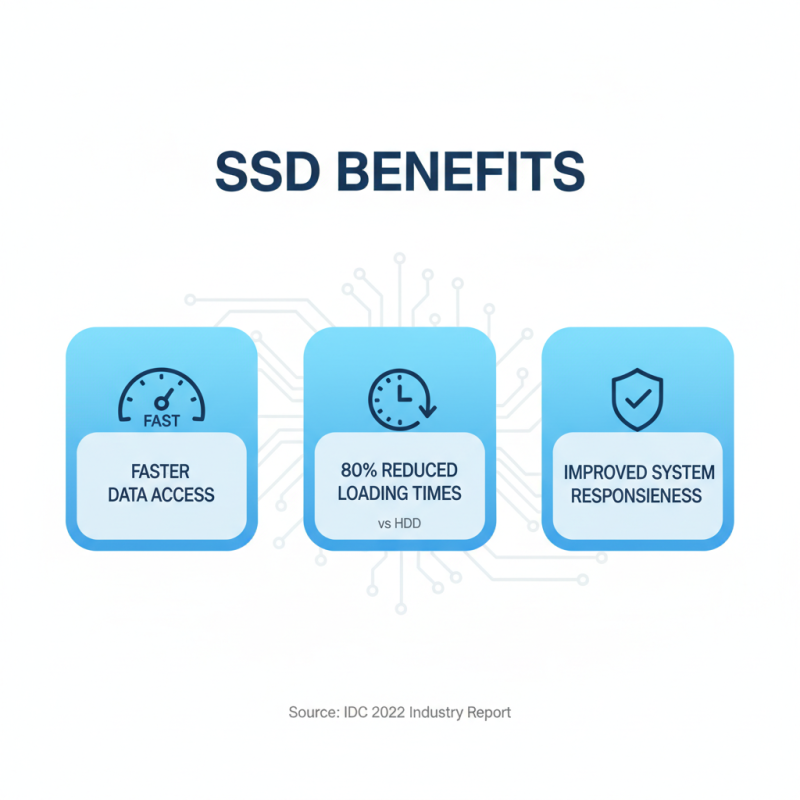
Steady State Drives (SSDs) have become increasingly prevalent in various real-world applications due to their superior performance characteristics and reliability compared to traditional hard drives. One of the primary benefits of SSDs is their ability to provide faster data access speeds, which significantly enhances the overall responsiveness of systems. According to a 2022 industry report from IDC, implementing SSDs can reduce loading times by up to 80%, allowing users to engage with applications and data more efficiently. This is particularly crucial in environments where time-sensitive tasks are essential, such as financial services, online gaming, and high-frequency trading platforms.
Moreover, the energy efficiency of SSDs plays a vital role in modern computing ecosystems. A study from the Natural Resources Defense Council highlighted that SSDs consume up to 85% less power during operation than traditional spinning drives. This reduction not only helps in lowering operational costs but also contributes positively to sustainability efforts within technology-driven sectors. As businesses increasingly prioritize green initiatives, the adoption of SSDs aligns with their objectives by minimizing energy consumption and extending the lifecycle of data storage systems, which can lead to significant long-term savings.
In sectors such as data analytics and cloud computing, where rapid processing and high I/O operations are critical, SSDs are transforming performance benchmarks. The ability to achieve high throughput with minimal latency allows organizations to make data-driven decisions faster, enhancing their competitive edge in fast-paced markets. As enterprises continue to harness the capabilities of SSDs, the ongoing evolution of storage technology promises to usher in even greater efficiencies and applications across diverse industries.
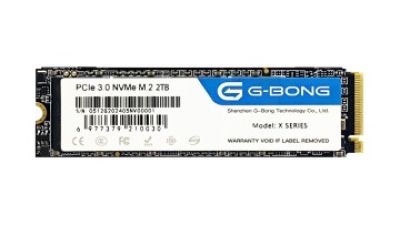
Maximizing Storage Performance: A Comprehensive Review of the G-BONG 2TB M.2 NVME SSD for Gamers and Professionals
In the competitive landscape of gaming and professional applications, storage performance is a key determinant of overall system efficiency. The latest advancements in NVMe (Non-Volatile Memory Express) technology have heralded a new era for Solid State Drives (SSDs), notably with the introduction of PCIe Gen3 x4 interfaces. Such innovations have pushed the boundaries of speed and reliability, with the capability of delivering sequential read speeds of up to 3500MB/s. This remarkable performance is not merely an incremental improvement; it represents a significant leap forward, offering up to 33% better performance compared to previous generations.
As professionals and gamers alike seek to maximize their productivity and gaming experiences, the importance of reliable storage cannot be overstated. The newest SSDs on the market are designed with durability in mind, boasting an impressive Mean Time To Failure (MTTF) of over 1.5 million hours. This extension of lifespan ensures that users can rely on their storage solutions for long-term use without the common concerns of data loss or drive failures. Reports indicate that a significant percentage of users experience enhanced application load times and improved responsiveness when utilizing high-performance SSDs, further underlining the necessity of investing in superior storage technologies for both gaming and professional tasks.
With advancements in both speed and reliability, the latest NVMe SSDs are well-equipped to meet the demanding needs of modern workloads. As users continue to seek solutions that enhance their computing experiences, the importance of leveraging these cutting-edge storage technologies becomes increasingly clear, solidifying the role of high-performance SSDs in the gaming and professional domains.
FAQS
: A Steady State Drive (SSD) is a storage device that uses flash memory to access data instantly, providing high performance without any moving parts, unlike traditional hard drives.
SSDs offer significantly faster read and write speeds, consistently achieving high performance regardless of data volume, while traditional hard drives are limited by mechanical components that can cause latency.
Users can optimize SSD performance by regularly updating the firmware, ensuring adequate free space on the drive, enabling TRIM to manage unused data blocks, and adjusting operating system settings.
SSDs are more durable due to the absence of moving parts, making them less susceptible to physical shocks. They also consume significantly less power, operating up to 80% more efficiently than traditional drives.
SSDs enhance overall system responsiveness, reduce loading times by up to 80%, and are ideal for time-sensitive tasks in environments like financial services and gaming where speed is crucial.
SSDs contribute to energy efficiency by consuming up to 85% less power than traditional drives, which helps reduce operational costs and supports sustainability initiatives in technology sectors.
SSDs improve performance benchmarks in data-intensive sectors by providing high throughput with minimal latency, enabling organizations to make faster data-driven decisions and maintain a competitive edge.
SSDs typically have a lifespan of over 5 years with a minimal failure rate, making them a reliable choice for data storage in enterprise environments.
While SSDs are more reliable than traditional drives, users should still regularly back up their data to mitigate the risk of potential drive failures.
The reduced power consumption and longer lifespan of SSDs contribute to lower operational costs and a smaller environmental impact, supporting greener technology practices.
Conclusion
A Steady State Drive (SSD) is an advanced storage technology designed to provide consistent performance by minimizing latency and optimizing data access. Unlike traditional hard drives, Steady State Drives employ solid-state storage mechanisms, which significantly enhance speed and reliability. The key features of SSDs include faster read and write speeds, durability due to the absence of moving parts, and lower power consumption.
In terms of performance metrics, Steady State Drives excel in IOPS (Input/Output Operations Per Second) and reduced boot times, making them ideal for both consumer and enterprise applications. Their ability to maintain performance under varying workload conditions distinguishes them from traditional drives. Real-world applications, such as data centers, gaming, and personal computing, benefit from the rapid access to data, contributing to smoother user experiences and increased productivity. Overall, the emergence of Steady State Drives marks a significant shift in storage technology, emphasizing efficiency and speed.