Hey there! So, we all know how crazy fast everything moves in our digital world these days, right? It’s pretty wild how important it’s become to have top-notch storage solutions. I mean, the Nvme SSD drive market is projected to hit around $135 billion by 2025. That’s a lot of cash! Naturally, companies are super eager to get a grip on the nitty-gritty of procurement that aligns with market standards and certification requirements. Take Shenzhen G-Bong Technology Co., Ltd. for example. This high-tech company does some awesome stuff with storage products, like SSDs and DRAM modules, and they're really stepping up in this booming field. They’ve got this cool setup where they merge design, R&D, manufacturing, and sales all under one roof, which totally gives them an edge to meet the rising demands here and abroad. In this blog, we're going to take a look at what makes the best NVMe SSD drives tick, dive into some key insights on import and export certifications, and share some down-to-earth procurement strategies that can really help industry professionals navigate this space.
Key Features of Top NVMe SSD Drives in the Market
So, if you're on the hunt for the best NVMe SSDs out there, there are definitely some standout features that really separate the top players from the rest. I mean, loading times? They're dropping like crazy! These new M.2 Nvme Drives are really shaking things up, especially for gamers and folks who are all about that high-performance computing life. For example, some of the leading models are hitting mind-blowing sequential read speeds of over 7000 MB/s! Talk about a seriously quick experience, right? It's pretty clear that NVMe drives leave traditional SATA SSDs in the dust, making them a go-to for gamers and anyone who juggles a ton of tasks at once.
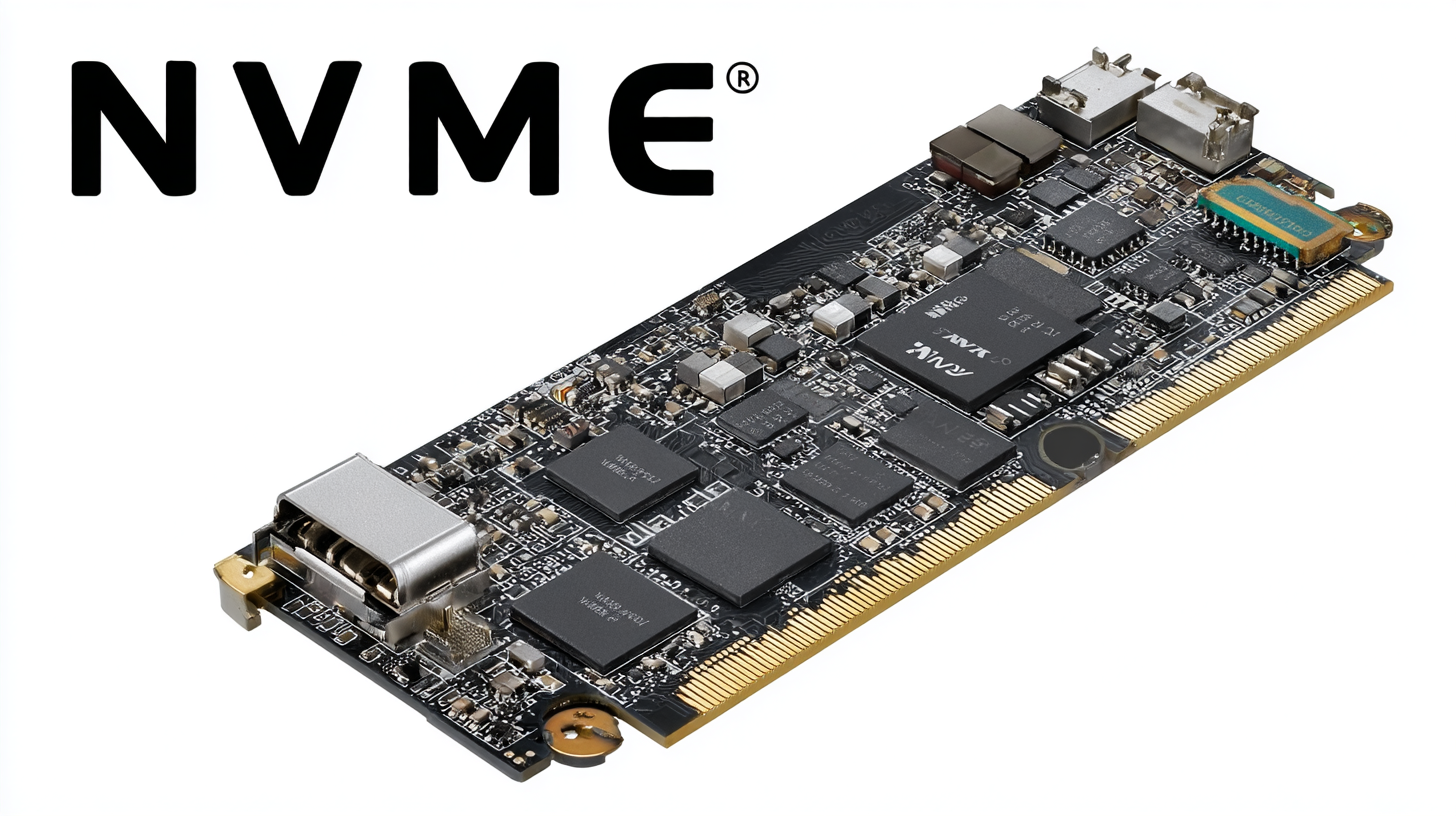
And just a heads-up, as these data transfer speeds keep climbing, durability and thermal management get even more important. The newest NVMe drives come packed with cool features like heat spreaders and thermal throttling, which help keep things running smoothly and reliably, even during those marathon gaming sessions. Looking ahead to 2025, it seems like more and more folks are getting on board with these speedy solutions—market research suggests we might see a 25% annual growth in the demand for NVMe tech! This shift really shows that NVMe drives aren't just for the tech enthusiasts anymore; they’re turning into must-have gear for anyone who wants to amp up their system performance.
Comparative Analysis of NVMe vs. SATA SSDs in Industry Applications
Hey there! If you're diving into the world of data storage, you've probably heard of NVMe and SATA SSDs. Understanding what sets them apart is super important, especially if you're in an industry that relies on quick data access. So, let's break it down. NVMe, which stands for Non-Volatile Memory Express, is pretty impressive because it uses the lightning-fast PCIe interface. This means it's got some pretty great stats, like way quicker read and write speeds, lower latency (that's tech speak for delay), and better IOPS, or Input/Output Operations Per Second. Because of this, NVMe drives are a no-brainer for things that need fast data processing — think gaming, database management, and high-performance computing tasks.
On the flip side, we’ve got SATA SSDs. They might use the older SATA interface, but don’t count them out! While they aren’t as speedy as NVMe drives, they’re generally easier on the wallet and still work just fine for everyday use. If you're mostly doing regular computing tasks or have a lot of data to store without needing lightning speeds, SATA SSDs can totally fit the bill. So, if your work doesn’t require the fastest tech out there, sticking with SATA can save you some cash. Ultimately, whether you go for NVMe or SATA really boils down to what you need and your budget — it’s all about figuring out what’s right for your situation in this digital age.
Real-World Case Studies: NVMe SSDs Transforming Business Efficiency
Hey there! You know, in today’s supercharged digital world, NVMe SSDs are more than just another tech upgrade – they're pretty much changing the game when it comes to how businesses operate. A recent IDC report even showed that companies using NVMe can tap into data retrieval speeds that are up to six times faster than those old-school HDDs. That kind of speed? It’s a game changer! It means businesses can effortlessly manage huge datasets, which really helps them make quick decisions. Take this leading e-commerce site, for instance: they saw load times drop by 30%, which not only made everyone’s experience smoother but also boosted their sales. Win-win, right?
Thinking about jumping on the NVMe bandwagon? There are some pretty cool success stories out there, like the ones from Amazon Web Services. They’ve reported operational costs slashed by up to 40% thanks to better data management. So if you're a business owner eyeing NVMe tech, it might be smart to check if your systems can support these drives and consider a step-by-step upgrade to keep things running smoothly. Also, don’t forget to look into device management software; it can really help you get the most out of your NVMe SSDs.
As businesses keep pushing for better efficiency, making the switch to NVMe SSDs is definitely going to be a key move. By bringing these drives into their IT setup, companies can boost their performance and, let’s be honest, stay ahead of the competition in their markets.
Factors Influencing Global Procurement Strategies for SSDs
You know, in today’s fast-changing world of global procurement, there are some big things that companies have to think about when it comes to sourcing SSDs, especially the NVMe ones. One major factor is that everyone's looking for high-performance storage solutions, mainly because data-centric apps are just blowing up right now. Fun fact: the International Data Corporation (IDC) says that the NVMe SSD market is set to skyrocket from $15 billion in 2021 to over $40 billion by 2026! That’s a whopping compound annual growth rate (CAGR) of 23%! So, it really puts the spotlight on how important it is for companies to have flexible and adaptive procurement strategies. They need to be able to keep up with the latest tech while also watching the bottom line.
But that’s not all—supply chain issues are also a huge deal right now, especially with the geopolitical tensions and the ongoing effects of the COVID-19 pandemic. According to McKinsey & Company, about 75% of organizations have faced disruptions in their supply chains, which has made a lot of businesses rethink how they approach procurement. They’re really honing in on diversifying their suppliers to avoid putting all their eggs in one basket. Some new trends include strategies like local sourcing and building long-term partnerships with multiple suppliers, which are all about boosting resilience in SSD procurement. So, it's all about finding that sweet spot between performance needs and keeping a stable supply chain—definitely a balancing act for organizations trying to navigate this tricky market.
Future Trends in NVMe Technology and Their Impact on Industries
The rapid evolution of NVMe technology is set to transform industries by enhancing data transfer speeds and reliability. As high-tech enterprises like Shenzhen G-Bong Technology Co., Ltd. continue to push the boundaries of storage solutions, we can anticipate significant advancements in the performance of SSDs. With G-BONG's dedication to integrating design, R&D, and manufacturing, the future of NVMe drives looks promising. Innovations such as improved controller designs and advanced NAND flash technologies are enabling manufacturers to produce faster and more energy-efficient SSDs, which can handle the demands of data-intensive applications across sectors.
In particular, the rise of artificial intelligence and big data analytics necessitates robust storage solutions that can support rapid data processing and retrieval. NVMe drives are becoming indispensable in data centers, cloud computing, and enterprise applications, offering unparalleled speed and efficiency. As G-BONG leads the charge in developing cutting-edge SSD and DRAM modules, we are witnessing a shift in how industries approach storage, paving the way for enhanced computing capabilities and greater operational efficiency. The ongoing trend towards miniaturization and increased storage capacity will further propel NVMe technology into the forefront of the digital landscape.
NVMe SSD Specifications Overview
This chart illustrates the key specifications of NVMe SSDs, showing the typical performance metrics including read and write speeds, latency time reduction, endurance, and power consumption. These metrics highlight the advancements in NVMe technology and provide insights into future trends and their potential impact on various industries.


