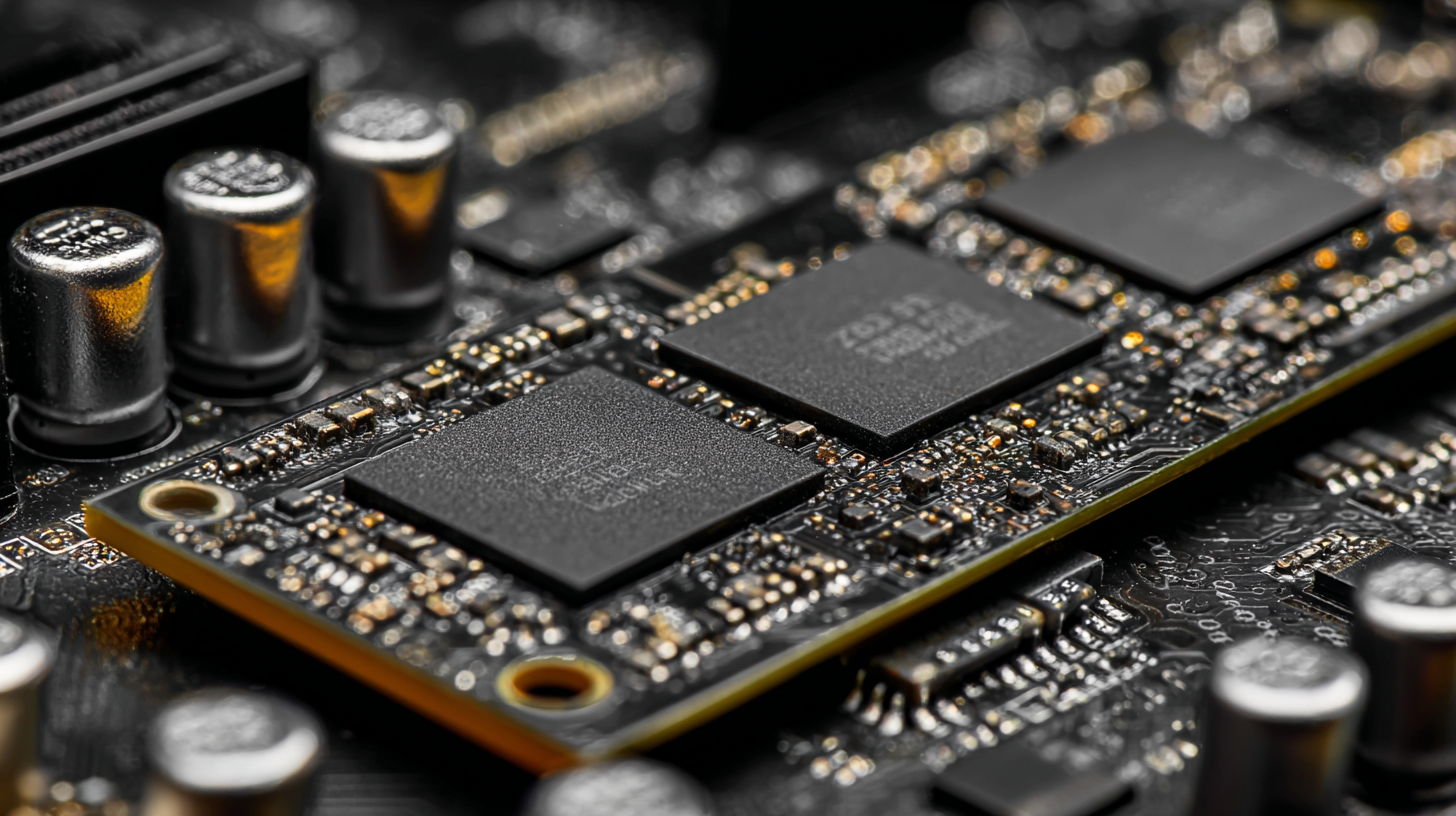
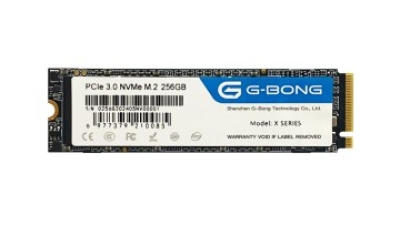
Lately, the rise of Nvme SSDs has really shaken up the tech world. These things are just way faster and more efficient than your usual storage drives. If you look at the stats—there’s a report from IDC that predicts the global SSD market will hit around $67 billion by 2026. And a big chunk of that growth is thanks to NVMe tech, which is great at delivering high speeds and low latency. Companies like Shenzhen G-Bong Technology are right there in the action, leading the charge. They focus on designing, developing, and manufacturing all kinds of storage products, like SSDs and DRAM modules. G-Bong is really pushing the envelope with innovation and quality, making a mark as one of the leading local manufacturers. Thanks to efforts like theirs, NVMe SSDs are popping up everywhere—whether in gaming rigs or huge data centers—really shaping what the future of data storage looks like.
Exploring NVMe Technology: A Game Changer for Computing Performance
The introduction of NVMe technologyreally marks a big milestone in how we see solid-State Drives today, especially for those modern computing tasks that need serious speed. Using thePCIe Gen4 interface, these drives can reach lightning-fast data transfer rates—up to around 7,000 MB/s, which is pretty impressive. This kind of speed really makes a difference when you're gaming, editing videos, or handling huge amounts of data. Plus, studies have shown that NVMe drives cut down on latency a lot more than traditional SATA SSDs, making them perfect for situations where getting instant data access matters most.
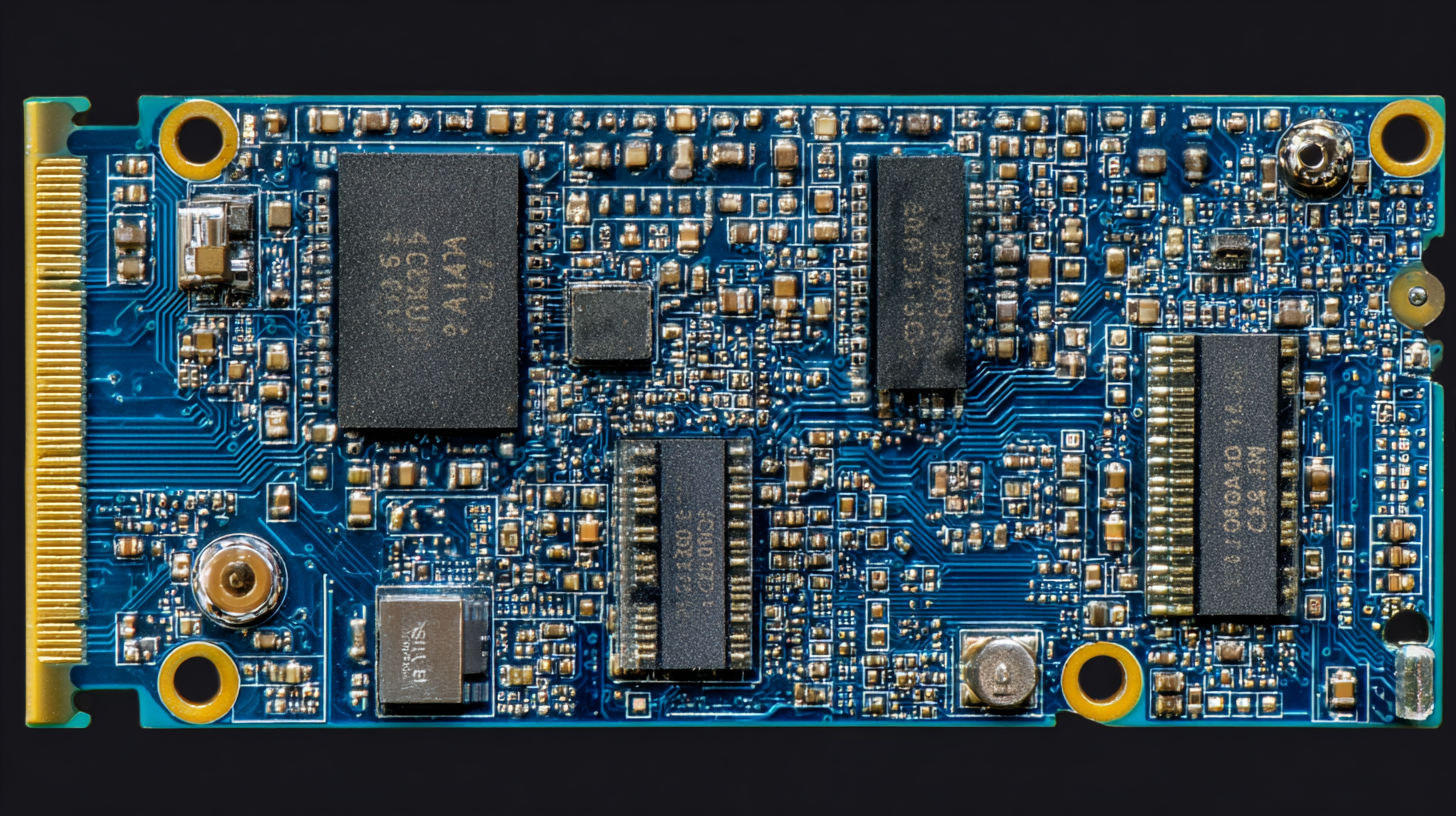
Recently, we’ve seen even more exciting stuff, like new high-capacity NVMe SSDs hitting the market. These aren’t just about pushing for the fastest speeds—they’re also designed to be more energy-efficient. In fact, many of today’s NVMe drives are up to 30% more efficient than the older ones, which means your laptops can last longer on a single charge. As the demands on computers just keep growing across different fields, it’s clear that NVMe is quickly becoming the go-to choice for boosting overall system speed and making everything feel snappier. Honestly, the future of this tech looks pretty promising and exciting.
Key Benefits of NVMe SSDs: Speed, Efficiency, and Reliability
When it comes to modern computing, picking the right NVMe SSD can really give your system a boost. One of the coolest things about NVMe drives is how fast they are. Thanks to the PCIe interface, these little guys can read and write data at lightning speeds, which means things like gaming, video editing, and crunching data can become way smoother and quicker — way better than your regular SATA SSDs.
If you're thinking about grabbing an NVMe SSD, it's a good idea to peek into some key aspects like how long it’ll last and what kind of flash memory it uses. The lifespan is usually shown through the Total Bytes Written (TBW) rating — basically, how much data it can handle over its lifetime. Picking one with a higher endurance means it’s likely to stay reliable longer. Also, don’t forget about the controller — that’s what manages how data flows inside the drive. You’ll want an advanced controller that can handle bigger workloads without breaking a sweat.
Another thing to consider is if the drive has DRAM cache. Having that small bit of fast memory can really make a difference in how snappy your data access feels. Without it, the SSD might slow down a bit when you're pushing it hard. And lastly, check out the IOPS (Input/Output Operations Per Second) – this shows how good the drive is at juggling multiple tasks at once. Basically, the higher this number, the better it handles multitasking. Keep these things in mind, and you'll end up with a setup that’s not just fast, but also solid and reliable.
Understanding the Advantages of Utilizing NVMe Solid State Drives in Modern Computing
Comparing NVMe SSDs with Traditional Storage Solutions
You know, when you look at modern computing these days, it’s pretty clear that moving away from old-school storage like traditional HDDs and SATA SSDs is a game-changer. Those older interfaces just can’t keep up with the crazy speeds today’s apps demand. That’s where NVMe SSDs come in — they use the super fast PCIe connection, which means data gets transferred way quicker. So, what does that actually mean for us? Faster boot-ups, snappy file transfers, and a generally smoother, more responsive experience—especially if you’re into gaming, video editing, or working with big data crunches.
And here’s the cool part: NVMe drives are built to handle lots of tasks at once thanks to their architecture that supports parallel processing. Basically, they can process multiple commands simultaneously, unlike those older drives that often get bottlenecked because they handle things sequentially. So, if you’re dealing with tons of small files or massive datasets, you’ll notice a real boost in speed. Plus, with NVMe tech getting more affordable and easier to find, switching to one isn’t just about speed — it’s about future-proofing your setup against the ever-growing demands of software and what we expect from our gear these days.
Understanding the Advantages of Utilizing Nvme Solid State Drives in Modern Computing - Comparing NVMe SSDs with Traditional Storage Solutions
| Feature | NVMe SSD | Traditional SSD | HDD |
| Interface | PCIe | HOURS | HOURS |
| Max Read Speed | Up to 7,000 MB/s | Up to 550 MB/s | Up to 160 MB/s |
| Max Write Speed | Up to 5,000 MB/s | Up to 520 MB/s | Up to 150 MB/s |
| Latency | 10-15 µs | 100-200 µs | 5-10 ms |
| Power Consumption | 2-5 W | 2-4 W | 6-9 W |
| Form Factor | M.2, U.2 | 2.5 inch | 3.5 inch, 2.5 inch |
| Durability | High (MTBF > 1.5 million hours) | Moderate (MTBF ~ 1 million hours) | Low (MTBF ~ 600,000 hours) |
Best Practices for Integrating NVMe Drives into Your System
Hooking up NVMe SSDs into modern computers can really give your system a noticeable boost in performance and efficiency — especially if you're dealing with heavy-duty stuff like data centers or AI tasks. From what I've heard in industry reports, these NVMe drives can be up to six times faster than the usual SATA SSDs, with read speeds climbing beyond 3 Gbps. That means faster data access and less waiting around, which is a game-changer when you're working with huge datasets or real-time processing.
If you're thinking about adding NVMe drives to your setup, there are a few things you should keep in mind. First off, double-check if your motherboard actually supports NVMe — not all of them do. It’s also a good idea to slap on some heat sinks; these help keep the drives cool during heavy use, helping to extend their lifespan. And if you're really serious about performance and data security, setting up RAID configurations can make a big difference in redundancy and speed. As the latest high-performance server tech for AI shows, these tips can seriously ramp up your system’s throughput and reliability, so you can get the most out of your NVMe SSDs without breaking a sweat.
Future Trends: How NVMe is Shaping the Next Generation of Storage
You know, as technology keeps advancing so quickly, NVMe (Non-Volatile Memory Express) is really starting to shake up how we handle storage in today's computers. Unlike the usual SATA SSDs, these NVMe drives use the PCIe bus, which means much faster data transfer and less lag—it's a pretty big leap. This isn’t just about making your system run smoother; it’s opening up all sorts of cool possibilities for demanding stuff like AI, big data projects, and cloud services. As everyone pushes for faster, more efficient data processing, NVMe’s speedy access is becoming pretty much essential for the next-generation workloads.
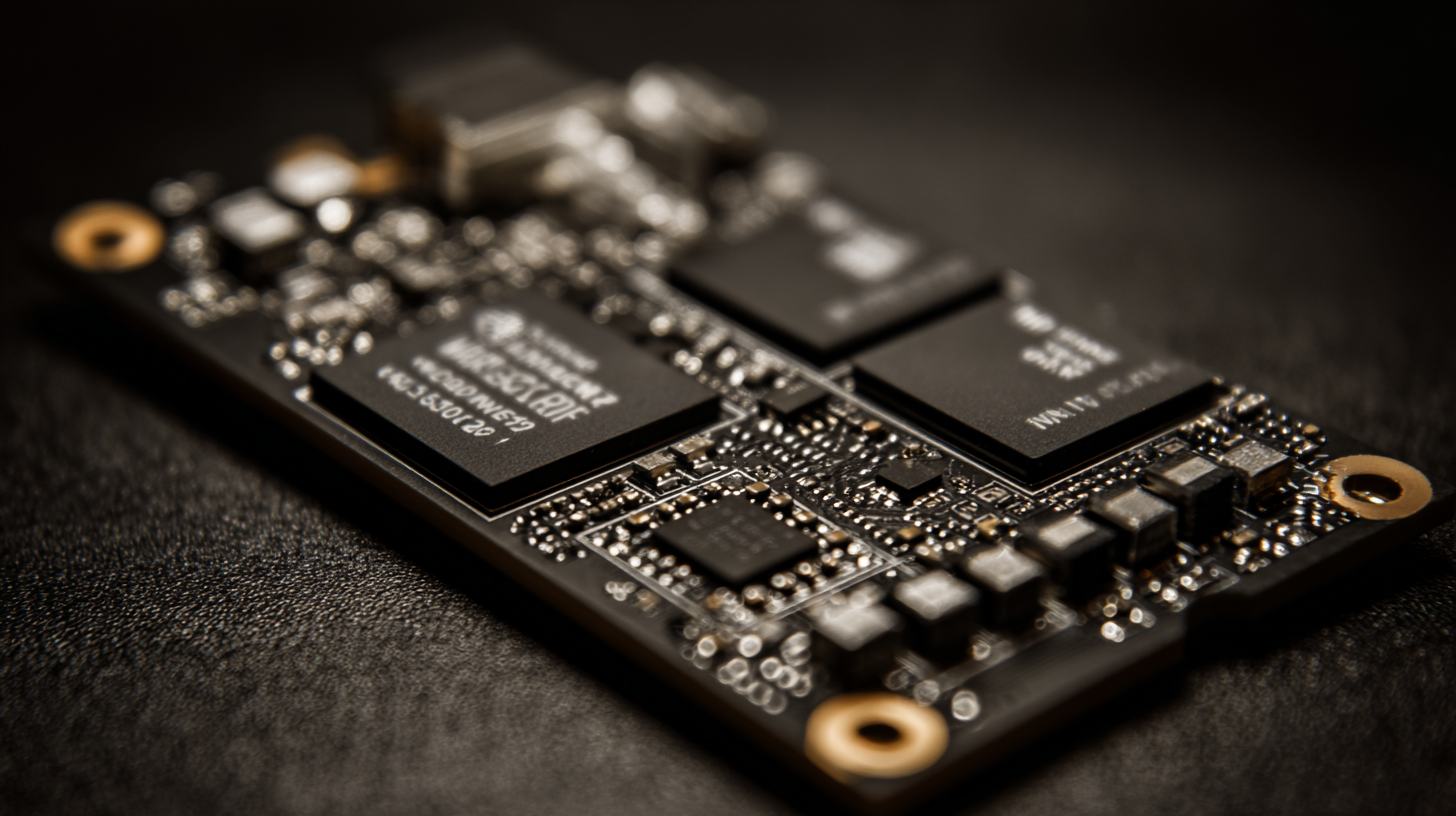
Looking ahead, NVMe isn’t stopping there. Innovations like NVMe over Fabrics are extending its reach beyond just your local drives, making it more scalable and powerful for large data centers. Plus, with the rise of tech like 5G and edge computing, integrating NVMe is going to enable real-time data access and processing—think ultra-responsive apps and smarter devices. As industries adapt to these changes, NVMe's impact will be huge, driving better performance and efficiency across the board in modern computing systems.
Maximizing Performance: Tips for Optimizing Your NVMe SSD Usage
If you really want your NVMe SSD to perform at its best, it’s kinda worth putting some effort into optimizing it. Believe it or not, reports say these drives can be up to six times faster than your regular SATA SSDs. Some of the high-end models even hit read speeds over 5,000 MB/s—pretty impressive, right? To get the most out of your drive, consider updating its firmware and tweaking your OS settings a bit. Keeping that firmware fresh can actually boost your SSD’s speeds by around 20 to 30%, which makes a noticeable difference.
Oh, and don’t forget about using the drive’s built-in features like TRIM and over-provisioning. TRIM is super helpful because it helps your SSD manage unused data better, which not only keeps it running smoothly but also makes it last longer. A study by the Storage Networking Industry Association (SNIA) even shows that using TRIM properly can reduce write amplification, helping your drive retain its speed over time. Plus, setting aside a little extra space for over-provisioning can give your SSD a performance boost, especially when you’re pushing it hard with heavy workloads. So yeah, a bit of strategic management can really pay off and make your NVMe SSD run cooler and faster for longer.
Maximizing Data Storage Efficiency: Insights from the Latest SSD Market Trends and the Benefits of G-BONG M.2 NVMe 256GB Drive
In the rapidly evolving landscape of data storage, maximizing efficiency is essential. The latest trends in the SSD market highlight a growing demand for high-capacity, high-performance solutions that cater to both gamers and productivity-focused users. The G-BONG M.2 NVMe 256GB drive exemplifies this shift, offering not only significant storage capacity but also advanced technologies that enhance user experience. This drive is meticulously designed for gaming laptops and productivity devices, making it an ideal choice for those who crave speed and reliability.
One of the standout features of G-BONG SSDs is their innovative temperature control algorithm. This technology strikes a perfect balance between speed and temperature management, ensuring optimal performance during intensive tasks. The L1.2 low power consumption further enhances the drive's appeal, providing users with an energy-efficient solution that extends the lifespan of the device. This combination of high performance and efficient power usage positions the G-BONG M.2 NVMe SSD as a compelling option for anyone looking to enhance their data storage capabilities while maximizing efficiency.
FAQS
The lifespan of an NVMe SSD is indicated by the Total Bytes Written (TBW) rating. Choosing SSDs with higher endurance components can ensure greater longevity and reliability, which in turn affects overall performance.
DRAM cache is crucial because it greatly enhances data access times and overall responsiveness. Without DRAM, SSD performance may drop during heavy usage, negatively impacting user experience.
The Input/Output Operations Per Second (IOPS) rating reflects the SSD’s efficiency in managing multiple simultaneous tasks, which directly affects multi-tasking performance and overall system responsiveness.
Users can maximize performance by keeping the SSD’s firmware up to date, utilizing built-in features like TRIM and over-provisioning, and optimizing their operating system settings.
Future trends include the development of NVMe over Fabrics, which enhances scalability and performance in enterprise environments, as well as integrations with technologies like 5G and edge computing for real-time data access and processing.
The controller is vital for managing data flow and optimizing performance. Advanced controllers can handle higher workloads effectively, contributing to improved SSD reliability and speed.
TRIM helps the SSD efficiently manage unused data blocks, which prolongs its lifespan and maintains performance stability by reducing write amplification over time.
Allocating additional over-provisioned space can enhance sustained performance, especially during intensive workloads, by providing a buffer that helps in managing data efficiently.
The PCIe interface is important because it allows NVMe SSDs to achieve significantly higher data transfer rates and reduced latency compared to traditional SATA SSDs, thus enhancing overall system performance.
Conclusion
The blog titled "Understanding the Perks of Using NVMe Solid State Drives in Modern Computers" really dives into how NVMe tech is shaking up the way we think about computer storage. It walks you through the main benefits—like lightning-fast speeds, better efficiency, and solid reliability—making it pretty clear why so many folks are choosing these drives over the old-school options. Plus, it shares some handy tips on how to smoothly add NVMe drives to your setup so you can get the most out of them.
By the way, Shenzhen G-Bong Technology Co., Ltd. is right there at the cutting edge of this storage upgrade. They’re all about pushing innovation, especially with products like NVMe SSDs. Their focus on R&D keeps them ahead of the game, shaping what the future of storage looks like. It’s definitely worth keeping an eye on what they’re doing, especially if you want to optimize your NVMe drives and get the best performance out of your system.