As we get closer to 2025, the market for Ssd Prices is changing faster than ever, and that has everyone—consumers and businesses alike—rethinking how they plan their budgets. I was chatting with John Smith, an industry analyst at TechInsights, and he pointed out that the ups and downs in SSD prices are mainly due to new manufacturing innovations and shifting demand from consumers. It’s a good reminder that staying on top of these market trends is really key because they directly affect how people decide what to buy or where to invest, whether you're just a regular user or running a company.
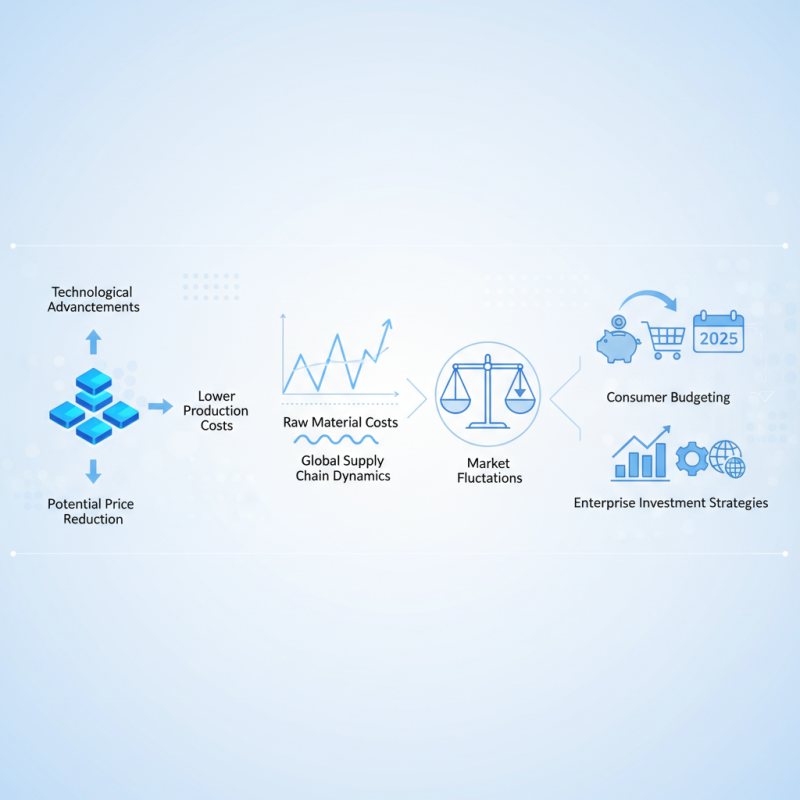
Looking ahead, it seems like tech improvements will make production more efficient, which probably means SSD prices could go down. But, honestly, things like the cost of raw materials and global supply chain issues might throw a wrench in those savings. So, if you're trying to figure out your budget for the next few years, understanding how tech breakthroughs and market changes play into pricing is super important. By paying attention to these projected trends, both individuals and businesses can make smarter choices and stay competitive in this rapidly changing digital world.
2025 SSD Drive Market Overview and Key Factors Influencing Prices
The Ssd Drive market is experiencing dynamic shifts as we approach 2025, driven by a combination of technological advancements, supply chain developments, and changing consumer demand. As flash memory technology continues to evolve, manufacturers are increasingly focusing on enhancing performance and storage capacity while maintaining competitive pricing. The adoption of new technologies, such as 3D NAND and PCIe 4.0 and 5.0 interfaces, is expected to further propel the market, allowing for faster read and write speeds that cater to both consumer and enterprise needs.
Key factors influencing SSD prices include raw material costs, production capabilities, and global market trends. As the demand for data storage grows, particularly in sectors like gaming, artificial intelligence, and cloud computing, manufacturers are ramping up production to meet this need. However, potential supply chain disruptions and fluctuations in raw material availability could impact pricing strategies. Additionally, the ongoing competition among manufacturers and the entry of new players into the market may lead to price wars, ultimately benefiting consumers seeking cost-effective storage solutions. As organizations and individuals plan their budgets for the coming years, understanding these trends will be vital in making informed purchasing decisions.
2025 SSD Drive Price Trends and What to Expect for Budgeting
| Drive Capacity | 2024 Average Price | 2025 Projected Price | Price Change (%) | Key Market Influences |
| 250 GB | $35 | $30 | -14% | Increased Competition |
| 500 GB | $60 | $55 | -8% | New Technologies |
| 1 TB | $100 | $90 | -10% | Supply Chain Improvements |
| 2 TB | $200 | $180 | -10% | Market Demand Stabilization |
| 4 TB | $400 | $380 | -5% | Technological Advancements |
Historical Price Trends of SSD Drives Leading to 2025
As the SSD market continues to evolve, understanding historical price trends leading to 2025 can provide valuable insights for budgeting. Over the past decade, SSD prices have significantly decreased, driven by advancements in technology and increased competition among manufacturers. In the early 2010s, SSDs were often prohibitively expensive, but as production techniques improved, prices plummeted, making them more accessible to consumers and businesses alike. This downward trend is expected to persist, albeit at a slower pace, as new technologies such as 3D NAND and PCIe interface improvements become more commonplace.
When planning for SSD purchases, it's crucial to keep an eye on market volatility. Prices can fluctuate based on factors such as supply chain issues, global demand, and even seasonal sales. Thus, consumers are encouraged to stay informed about industry developments and to examine market patterns thoroughly.
**Tips:** To maximize your budget for SSD purchases, consider timing your buys around major retail sales events, which can yield significant discounts. Additionally, exploring different capacities may allow you to find a good balance between performance and price. Don't hesitate to compare prices across various platforms to ensure you're getting the best value for your investment.
Comparison of SSD Types and Their Expected Price Variations in 2025
As the demand for high-performance storage solutions continues to rise, understanding the expected price variations among different types of SSDs in 2025 is essential for effective budgeting. The SSD market is primarily segmented into three categories: SATA SSDs, NVMe SSDs, and PCIe SSDs. Each of these types has its unique characteristics and cost structures, which are likely to evolve due to advancements in technology and shifts in consumer preferences.
SATA SSDs, known for their affordability, are expected to see stable prices but limited performance improvements as they face competition from faster alternatives. NVMe SSDs, which offer significantly higher data transfer speeds, may experience a moderate price increase as manufacturers invest in newer technologies and materials. Meanwhile, PCIe SSDs, the offerings at the pinnacle of performance, will likely command premium prices but may benefit from economies of scale as production ramps up. Overall, these trends indicate that while SATA SSDs will remain budget-friendly, NVMe and PCIe SSDs will become increasingly accessible, making it important for consumers to align their purchasing decisions with evolving performance needs.
Impact of Technological Advancements on SSD Pricing
As we move closer to 2025, the landscape of SSD pricing is becoming increasingly influenced by technological advancements. Reports indicate that innovations in memory cell architecture, such as the shift from 3D NAND to newer iterations and the development of QLC (Quad-Level Cell) technology, are pushing down manufacturing costs. According to a study by TrendForce, the average price of SSDs has been projected to decline by around 10-15% annually as these technologies are adopted more widely. The rising efficiency in production processes and materials also contributes to a favorable pricing environment.
Tips for budgeting in the SSD market: First, consider investing in higher-capacity drives, as economies of scale often lead to better price-performance ratios. Secondly, keep an eye on market trends; significant product launches or advancements can lead to sudden price drops, so timing your purchase could yield substantial savings. Lastly, look for reports from analysts like IDC or Gartner, which can provide insights into future price trends and help you make informed financial decisions.
In summary, while SSD prices are expected to decrease due to ongoing advancements, it is crucial for consumers to stay informed. Embracing the latest technologies will not only enhance performance but may also offer more budget-friendly options in the fast-evolving storage market.
Consumer Demand Trends and Their Effect on SSD Prices
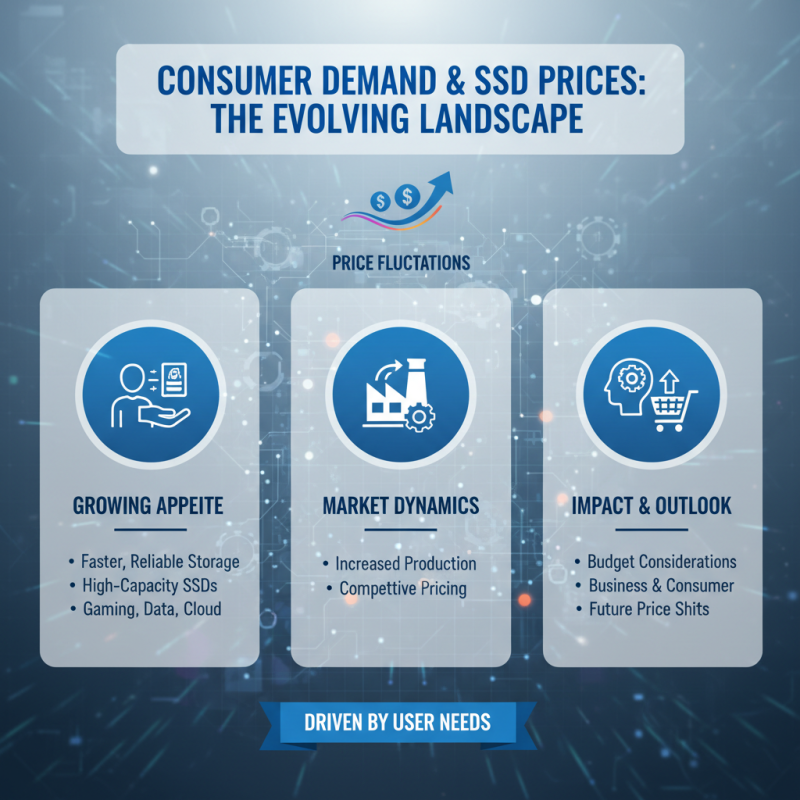
As the technology landscape continues to evolve, consumer demand has a significant impact on SSD prices. With more users seeking faster and more reliable storage solutions, the growing appetite for high-capacity SSDs is pushing market dynamics. This surge in demand not only encourages manufacturers to up their production rates but also creates competitive pricing strategies that can fluctuate based on consumer trends. As gaming, data analysis, and cloud computing sectors expand, the necessity for advanced storage solutions will likely lead to pricing shifts, influencing budget considerations for consumers and businesses alike.
Additionally, the rise of new applications that require higher performance storage will play a critical role in shaping SSD pricing trends. As industries adopt more data-intensive technologies, the resultant influx of consumers can lead to supply shortages, consequently driving prices upward. Conversely, a stabilization in supply chains or technological advancements that lower production costs could alleviate price pressures. Understanding these consumer demand trends is crucial for budgeting in the coming years, as they will dictate not only the cost of SSDs but also the overall storage market landscape.
Budgeting Strategies for Purchasing SSD Drives in 2025
When planning for 2025, budgeting for SSD drives requires careful consideration of market trends and pricing fluctuations. As the technology continues to advance, SSD prices are expected to stabilize after years of volatility. It's essential to keep an eye on seasonal sales and promotional events, which can offer significant savings on SSD purchases.
**Tips:** Start by assessing your needs—determining the storage capacity and speed you require can help you avoid overspending on features you may not use. Additionally, subscribe to tech newsletters to stay informed about upcoming sales and price drops.
Moreover, exploring bulk purchase discounts can benefit those looking to upgrade multiple devices or set up a workstation. Some retailers may offer special deals for educational or business purchases, which could lead to additional savings. Always compare prices across different platforms to ensure you get the best deal possible.
**Tips:** Consider timing your purchase around major shopping events, such as back-to-school or Black Friday, where SSDs often see substantial markdowns. Lastly, plan to set aside a budget specifically for upgrades, allowing you to take advantage of sudden opportunities in the evolving SSD market.
Future Predictions: What Buyers Should Anticipate for SSD Costs
As businesses and consumers continue to rely on solid-state drives (SSDs) for their data storage needs, understanding future pricing trends becomes essential for effective budgeting. According to the International Data Corporation (IDC), the average price of SSDs is expected to decline gradually, with projections estimating a decrease of approximately 10-15% annually through 2025. This trend can largely be attributed to advancements in manufacturing processes, specifically the transition to 3D NAND technology, which allows for higher storage densities at lower costs.
In parallel, industry analysis from Gartner indicates that the demand for SSDs is anticipated to grow, driven primarily by the increasing adoption of cloud computing and high-performance computing environments. The surge in demand could potentially balance out price declines in the near term. However, as more companies shift towards SSD solutions over traditional hard drives, the competition among manufacturers is projected to intensify, further aiding price optimization. Buyers should brace themselves for a mix of stable pricing with occasional fluctuations as the market adjusts to both supply chain dynamics and evolving consumer preferences. Overall, careful planning and awareness of these trends will be crucial for effectively navigating SSD purchasing in the coming years.
2025 SSD Price Trends Forecast
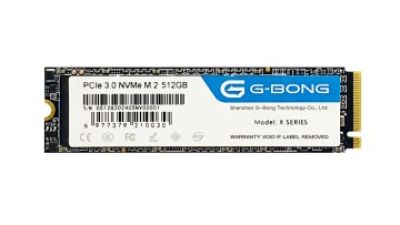
Optimizing Your Device's Performance: A Comprehensive Guide to the G-BONG m2 NVMe Solid State Drive 512GB
Optimizing your device's performance involves selecting the right storage solution, and a high-quality solid-state drive (SSD) can make a significant difference. Utilizing advanced TLC 3D NAND technology, modern SSDs provide a substantial increase in storage capacity, making them ideal for applications that require intensive read and write operations. This technology not only enhances data retrieval speeds but also ensures longer lifespan and durability, keeping your data safe and secure even during demanding use.
One standout feature of these SSDs is their high-speed interface, which drastically improves data transfer rates. With read speeds reaching up to 3500 MB/s and write speeds up to 3200 MB/s, users can experience blazing-fast performance that reduces load times and accelerates overall system responsiveness. Whether you are gaming, streaming, or multitasking, upgrading to an SSD can lead to a more efficient and enjoyable computing experience. The investment in a reliable SSD represents a cost-effective solution to elevate your device's performance without breaking the bank.
FAQS
: SSD prices have significantly decreased due to advancements in technology and increased competition, making them more accessible to consumers and businesses.
Prices can be influenced by supply chain issues, global demand, and seasonal sales, making it essential to monitor market conditions.
Consumers can maximize their budget by timing purchases around major retail sales events, exploring different capacities for balance between performance and price, and comparing prices across various platforms.
Innovations such as improved memory cell architecture, including the shift from 3D NAND to QLC technology, are pushing down manufacturing costs and leading to lower prices.
The average price of SSDs is expected to decline by around 10-15% annually as new technologies are adopted more widely.
Consider investing in higher-capacity drives for better price-performance ratios, monitor market trends for potential price drops, and look for analysis reports to stay informed about future price trends.
Major product launches or technological advancements can lead to sudden price drops, making timing crucial for making purchases.
Staying informed allows consumers to navigate market volatility, take advantage of discounts, and make more informed financial decisions regarding SSD purchases.
Conclusion
The article "2025 Top SSD Drive Price Trends and What to Expect for Budgeting" provides a comprehensive overview of the SSD drive market as it stands on the brink of 2025. It explores various factors influencing SSD drive prices, including historical trends that have shaped the market leading up to this point. By comparing different types of SSD drives, the article highlights the expected price variations and examines how technological advancements are further impacting pricing strategies.
Moreover, consumer demand trends are discussed to illustrate their significant effect on SSD pricing. To aid potential buyers, the article suggests effective budgeting strategies for purchasing SSD drives in 2025. With future predictions in mind, it guides consumers on what to anticipate regarding SSD drive prices, ensuring they are well-prepared for purchasing decisions in the evolving market landscape.